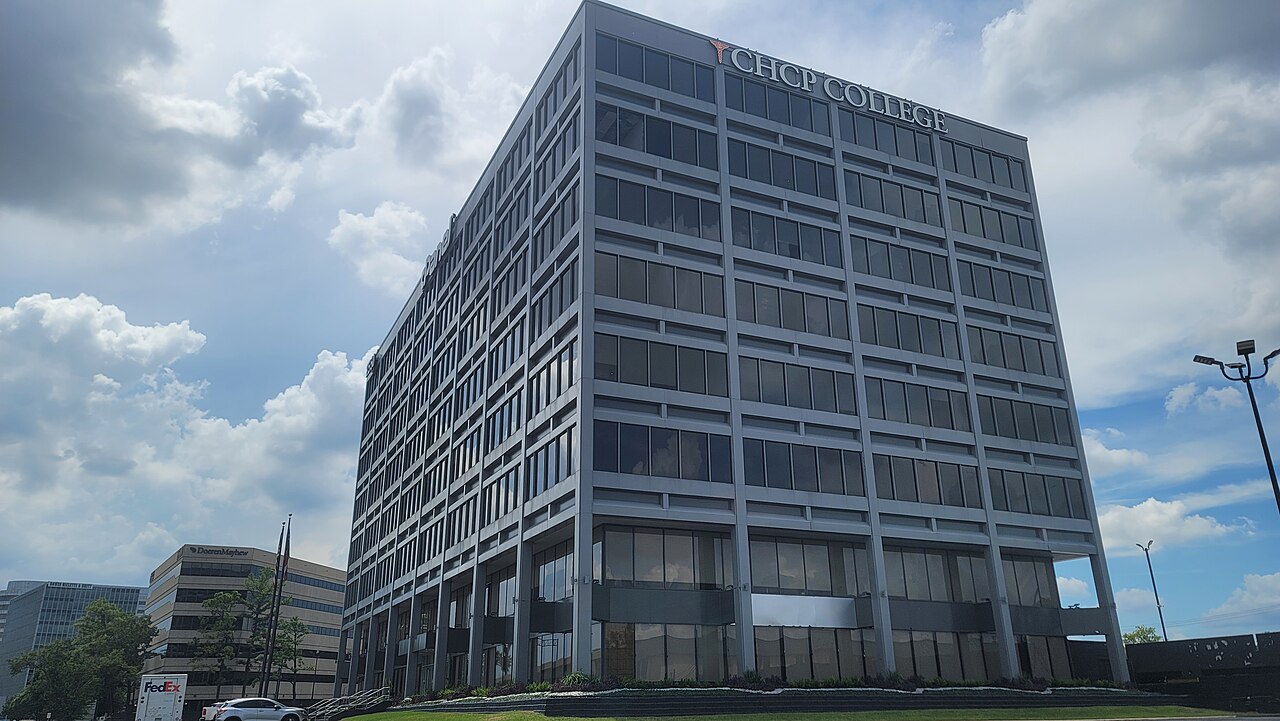
A Legacy of Care: Tracing the Journey of The College Of Healthcare Professions in Texas
The landscape of healthcare in Texas, a state renowned for its sprawling medical centers and commitment to health innovation, relies heavily on a dedicated workforce of allied health professionals. These essential individuals work alongside doctors and nurses, forming the backbone of patient care and facility operations. At the heart of training many of these critical professionals is The College Of Healthcare Professions (CHCP), an institution with a rich history rooted deeply in the needs of the Texan medical community. From its humble beginnings as an in-house training academy, CHCP has evolved into a prominent educational leader, shaping the future of allied health across the Lone Star State.
Understanding the journey of The College Of Healthcare Professions offers invaluable insight into the evolution of healthcare education itself. It's a story of foresight, adaptation, and a steadfast commitment to quality training that directly impacts the health and well-being of Texans every day. This article delves into CHCP's origins, its transformative growth, and its ongoing impact on the vital allied health sector in Texas.
The Genesis: Physician-Led Vision at MacGregor Medical Association (1988-1990)
The story of The College Of Healthcare Professions begins not in a traditional educational institution, but within the dynamic environment of a thriving medical practice. In 1988, the visionary physicians of MacGregor Medical Association, a practice closely affiliated with the world-renowned Texas Medical Center in Houston, recognized a critical need. As their practice expanded, so did the demand for highly skilled allied health staff—professionals who could efficiently support their operations and deliver exceptional patient care.
Rather than relying solely on external hiring, which often presented challenges in finding candidates with the exact skill sets and cultural fit required, MacGregor Medical Association took an innovative step: they founded the Academy of Health Care Professions. The primary purpose was clear and pragmatic: to provide quality, in-house training for their allied health personnel. This direct approach ensured that new staff members were not only equipped with the necessary technical skills but were also immersed in the specific protocols and patient-centric philosophy of MacGregor Medical from day one. It was a proactive strategy to cultivate a workforce perfectly tailored to support the practice's continued growth and maintain its high standards of care.
This physician-led initiative was groundbreaking for its time, demonstrating a deep understanding of the practical demands of healthcare delivery. The decision to invest in developing talent internally underscored a commitment to quality and efficiency that would become a hallmark of the institution's philosophy. This hands-on, industry-driven foundation remains a core strength of The College Of Healthcare Professions today, emphasizing practical skills and real-world readiness.
Just two years later, in 1990, the Academy's value was officially recognized beyond the walls of MacGregor. The Texas Workforce Commission approved the academy to provide allied health education and training to a broader audience, signifying its transition from an internal department to a legitimate educational provider. This approval was a pivotal moment, validating the quality of its curriculum and its capacity to contribute significantly to the statewide healthcare workforce.
Evolution and Expansion: Becoming The College Of Healthcare Professions (2012 Onwards)
The Academy of Health Care Professions continued its mission for over two decades, consistently adapting its programs to meet the evolving demands of the healthcare industry. This sustained growth and increasing recognition culminated in a significant rebranding in 2012: the Academy of Health Care Professions was officially renamed The College Of Healthcare Professions (CHCP). This name change was more than a cosmetic update; it reflected the institution's expanded scope, its established presence, and its recognition as a comprehensive college dedicated to a diverse array of allied health programs.
Today, CHCP stands as a private, for-profit school of allied health professions, with its headquarters still firmly rooted in Houston, Texas, a testament to its origins within the vibrant Texas Medical Center ecosystem. However, its reach has grown exponentially. Unpacking CHCP: Allied Health Careers & Texas Campuses reveals that the institution now boasts multiple campuses strategically located throughout the state. This geographical expansion is crucial, making quality allied health education accessible to a wider population of Texans and directly addressing regional workforce shortages.
A cornerstone of CHCP's reputation and its commitment to student success is its accreditation. CHCP Accreditation: Quality Allied Health Training in Texas highlights that the institution is accredited by the Accrediting Bureau of Health Education Schools (ABHES). This accreditation is paramount for several reasons:
- Quality Assurance: ABHES ensures that CHCP's programs meet rigorous national standards for educational quality, curriculum relevance, and student outcomes.
- Transferability & Recognition: Accreditation often facilitates the transfer of credits to other institutions and ensures that degrees and certificates are recognized by employers across the nation.
- Financial Aid Eligibility: Students attending accredited institutions are typically eligible for federal financial aid programs, making education more accessible.
- Career Readiness: Employers actively seek graduates from accredited programs, confident that these individuals have received comprehensive, up-to-date training that prepares them for immediate entry into the workforce.
This continued evolution, from a focused academy to a multi-campus college, underscores CHCP's adaptability and its unwavering dedication to producing competent, compassionate allied health professionals who are ready to make a tangible impact on patient care.
The Critical Role of Allied Health Professionals in Texas & Beyond
While doctors and nurses often receive the most public recognition, the healthcare system simply cannot function without the diverse and specialized skills of allied health professionals. These individuals comprise over 60% of the healthcare workforce and encompass a vast range of professions that diagnose, evaluate, and treat diseases and disorders, manage health systems, and provide support services. In a rapidly growing state like Texas, with its expanding population and an increasing demographic of older adults, the demand for these roles is particularly acute.
Allied health careers offer a unique blend of stability, growth potential, and the profound satisfaction of contributing to community well-being. Consider the essential functions performed by professionals trained at institutions like The College Of Healthcare Professions:
- Diagnostic Professionals: Radiologic technologists, ultrasound technicians, and medical laboratory technicians provide crucial insights that inform treatment plans.
- Therapeutic Professionals: Medical assistants, dental assistants, and pharmacy technicians directly assist patients and practitioners, ensuring smooth operations and direct care.
- Information & Management Professionals: Health information technicians manage vital patient data, ensuring privacy and efficient record-keeping.
- Rehabilitative Professionals: Occupational therapy assistants and physical therapy assistants help patients regain function and improve their quality of life.
The economic impact of these professions is substantial, offering robust career paths that typically require less time in school compared to a traditional four-year degree, allowing graduates to enter the workforce more quickly. For individuals looking for a meaningful career with strong job prospects, allied health fields trained by The College Of Healthcare Professions present an excellent opportunity.
CHCP's Enduring Legacy and Future Outlook
The journey of The College Of Healthcare Professions from an in-house training program for MacGregor Medical Association to a leading, accredited allied health institution exemplifies a powerful commitment to addressing real-world healthcare needs. Its origins provide a unique foundation: training born out of direct medical practice necessity, ensuring a curriculum that is always relevant, practical, and focused on producing job-ready graduates.
This physician-led heritage continues to inform CHCP's approach today. The emphasis on hands-on training, state-of-the-art facilities, and experienced instructors who are often practitioners themselves means students gain not just theoretical knowledge but also the practical skills and confidence required to excel in demanding healthcare environments.
Tips for Aspiring Allied Health Professionals:
- Research Programs Thoroughly: Understand the specific roles and responsibilities of different allied health professions.
- Verify Accreditation: Always ensure the institution and its programs are accredited by recognized bodies like ABHES, as this impacts job prospects and educational quality.
- Consider Hands-On Experience: Prioritize programs that offer extensive clinical rotations, externships, or lab work to gain practical skills.
- Visit Campuses: If possible, visit potential campuses to get a feel for the learning environment and facilities.
- Network: Engage with current students, alumni, and faculty to gain insights into the program and career paths.
As healthcare continues to evolve with technological advancements and shifting demographics, the demand for well-trained allied health professionals will only intensify. Institutions like The College Of Healthcare Professions are vital in meeting this challenge, providing the education and skills necessary to support the complex, life-saving work of the healthcare industry across Texas and beyond. Their history is not just a chronicle of an institution, but a reflection of the enduring dedication to health, education, and community service.
In conclusion, the trajectory of The College Of Healthcare Professions is a compelling narrative of growth, adaptation, and an unwavering commitment to excellence in allied health education. From its pragmatic beginnings in a physician's office to its current status as a multi-campus, accredited college, CHCP has consistently played a pivotal role in strengthening Texas's healthcare workforce. Its legacy is etched in the success of its graduates and the quality of care they provide, ensuring a healthier future for the communities they serve.